
Table of Contents
- Key Points
- How Oral Health and Overall Health Are Connected
- How Food Affects Your Teeth
- Foods That Are Good for Your Body and Your Teeth
- Healthy Foods That Can Be Hard on Your Teeth
- Tooth-Friendly Foods That Deserve Moderation
- Everyday Habits That Protect Your Teeth and Your Health
- Talk With a Dentist in Raleigh, NC About Your Diet
- Frequently Asked Questions
- References
Key Points
- Research has linked gum disease with diabetes, heart disease, and other health conditions, and chronic inflammation appears to be one of the threads connecting them.
- Some foods that are excellent for the body, such as citrus fruit, dried fruit, and fruit juice, can be hard on tooth enamel when eaten often or on their own.
- A few foods that help protect teeth, such as cheese, are best enjoyed in moderation for the sake of the rest of the body.
It is easy to think of dental care and medical care as separate worlds. You see a dentist for your teeth and a physician for everything else, and the two rarely compare notes.
Yet the mouth is not isolated from the rest of the body. The health of your gums can reflect what is happening elsewhere, and a growing body of research suggests the relationship may run in both directions.1
Diet sits at the center of that relationship. The foods you eat every day affect your teeth, your gums, and your overall health at the same time, but not always in the same way. A food that serves your heart well may be hard on your enamel, and a food that protects your enamel may deserve some restraint for other reasons. At Loren Dentistry, we find that understanding those differences makes it far easier to build habits that support the whole body.
How Oral Health and Overall Health Are Connected
The clearest link between the mouth and the body involves gum disease, or “periodontal disease.” It begins when plaque (a sticky film of bacteria) builds up along the gumline and the gums become inflamed. Left untreated, it can damage the tissue and bone that hold teeth in place.2
Over several decades, researchers have connected gum disease with a range of conditions elsewhere in the body.3 Some of the better-studied connections include:
-
- Diabetes: High blood sugar may encourage the growth of bacteria that cause gum disease, while inflammation associated with diabetes may make gum disease worse, which suggests a two-way relationship.
- Heart disease and stroke: Gum disease has been associated with thickening of the arteries and a higher likelihood of heart attack and stroke, possibly because it adds to the body’s overall burden of inflammation.4
- Pregnancy complications: Gum disease during pregnancy has been associated with preterm birth and low birth weight.
It is worth being precise about what this research shows. These are associations, and scientists have not established that gum disease directly causes heart disease or diabetes. Many people with heart disease have healthy gums, and part of the overlap likely comes from shared risk factors such as smoking and an unhealthy diet. That shared ground is encouraging, though, because it means many of the same everyday choices, including what you eat, can benefit both your mouth and the rest of your body.
How Food Affects Your Teeth
Nutrition advice usually focuses on what a food contains: vitamins, minerals, fiber, protein, and calories. Your teeth respond to something slightly different, namely how a food behaves in your mouth and how long it stays there. Two processes account for most diet-related damage:
- Tooth decay: Bacteria in plaque feed on sugars and starches and produce acid, which draws minerals out of the enamel. Each time you eat or sip something sugary or starchy, the cycle starts again, so frequent snacking gives enamel less time to recover.
- Erosion: Acidic foods and drinks can wear away enamel on their own, even when they contain no sugar, and enamel lost to erosion does not grow back.5
This is why a food can be nutritious and still be hard on your teeth. For dental purposes, how often you eat a food and what you eat it with often matter as much as the food itself.
Foods That Are Good for Your Body and Your Teeth
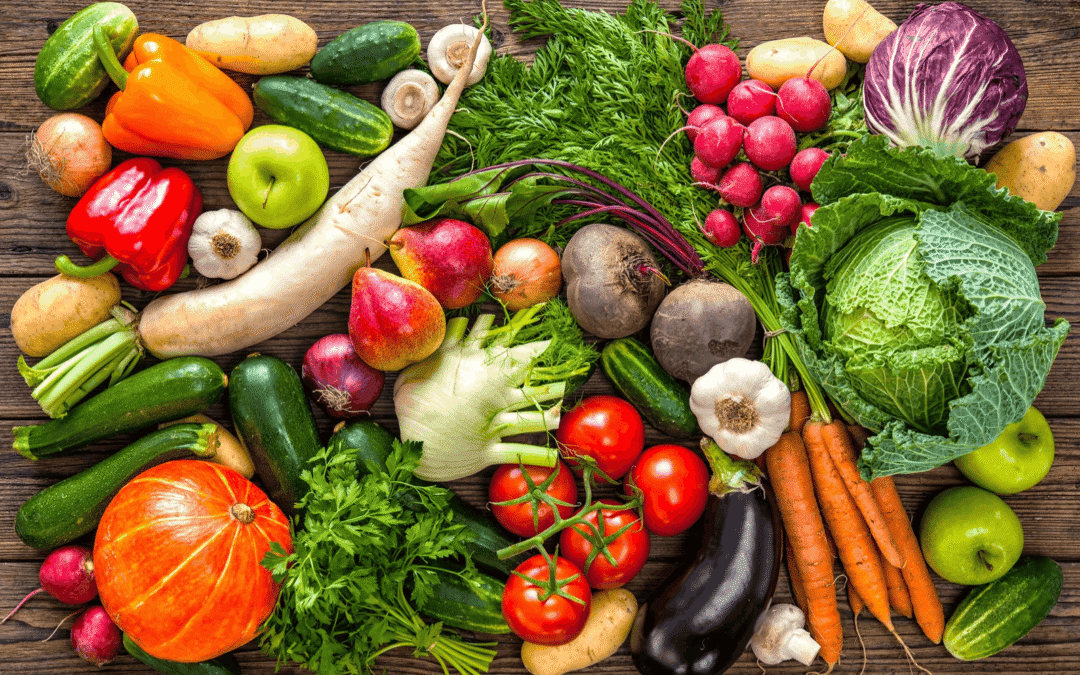
The most useful foods to build a diet around are the ones that serve both purposes. These include:
- Leafy greens and crunchy vegetables: Spinach, broccoli, carrots, celery, and bell peppers are rich in fiber, vitamins, and minerals. Many are also good sources of vitamin C, which the body uses to make collagen (and a severe vitamin C shortage can cause swollen, bleeding gums). Crunchy, fibrous vegetables also take effort to chew, which is good for oral health because it encourages saliva flow.
- Plain yogurt and milk: Dairy foods supply calcium and protein, and unsweetened versions contain little of the added sugar that oral bacteria thrive on.
- Nuts and seeds: Almonds, walnuts, and sunflower seeds provide protein, healthy fats, and minerals while remaining low in sugar.
- Fish, eggs, poultry, and beans: These protein sources supply phosphorus, a mineral that works alongside calcium in teeth and bones.
- Water: Water hydrates without adding sugar or acid, and it helps rinse food particles from the teeth. Tap water that contains fluoride does even more, helping to prevent decay and even reverse its earliest stages. The City of Raleigh has added fluoride to its public water supply since residents approved it by referendum in 1956.6
Healthy Foods That Can Be Hard on Your Teeth
Some of the most nutritious items on a grocery list can be tough on enamel. There is no reason to remove them from your diet, but they are worth eating with a little strategy. Common examples include:
- Citrus fruits and tomatoes: These are excellent sources of vitamin C, but their acidity can soften enamel, particularly when they are eaten alone or throughout the day.
- Fruit juice and smoothies: Both retain many of the fruit’s nutrients, but they deliver natural sugars and acid in a form that is easy to sip slowly, which prolongs contact with the teeth.
- Dried fruit: Raisins, dates, and dried apricots offer fiber and potassium, yet their concentrated sugars cling to the grooves and spaces between teeth.
- Whole-grain crackers and granola: Whole grains are a sound choice for the body, but starches break down into sugars that oral bacteria can use, and crunchy, processed starches tend to pack into the chewing surfaces of the back teeth.
- Flavored sparkling water and vinegar-based foods: Sparkling water is a smarter choice than soda, and pickled vegetables, vinaigrettes, and kombucha appear in many health-conscious diets, but carbonation, citrus flavoring, and vinegar all add acid.
Tooth-Friendly Foods That Deserve Moderation
Conversely, a few foods do more for the teeth than for the rest of the body:
- Cheese: Eating cheese after acidic foods or drinks can help neutralize acid in the mouth, and chewing it encourages saliva. Many cheeses, however, are high in sodium, saturated fat, and calories, so modest portions make sense, especially for anyone managing blood pressure or cholesterol.
- Sugar-free gum: Chewing sugar-free gum after a meal increases saliva flow, which helps rinse away food particles and buffer acid. It offers no nutritional value, though, and the sugar alcohols used to sweeten it can cause digestive discomfort when consumed in larger amounts.
No single food is simply “good” or “bad.” What matters is the overall pattern: how often you eat, what you pair foods with, and how consistently you care for your teeth afterward.
Everyday Habits That Protect Your Teeth and Your Health
A few small adjustments let you enjoy a varied, nutritious diet while limiting the wear on your teeth. Here are some habits worth adopting:
- Eat acidic and sticky foods with meals: Saliva production increases while you eat, and other foods help buffer acids and clear sugars from the mouth.
- Rinse with water afterward: A drink of water, a glass of milk, or a bite of cheese after acidic foods helps neutralize acid.
- Use a straw for acidic drinks: A straw reduces contact between the drink and your teeth, and it helps to avoid swishing or holding acidic drinks in your mouth.
- Wait before brushing: Acid temporarily softens enamel, so give your saliva time to wash acids away and re-harden the surface before you brush.
- Limit grazing: Fewer snacking sessions mean fewer acid attacks and more time for enamel to repair itself.
- Keep up the basics: Brush twice a day with fluoride toothpaste and clean between your teeth daily, since consistent brushing and flossing can prevent and even reverse early gum disease (“gingivitis”).
Regular dental visits round out these habits. Like other Raleigh dentists, we can often spot the early effects of diet, such as chalky white spots where enamel has lost minerals, before they progress into cavities.
Talk With a Dentist in Raleigh, NC About Your Diet
At Loren Dentistry, we see the connection between what patients eat and what we find in their mouths every day. As your dentist in Raleigh, NC, our aim is not to hand you a list of forbidden foods. Instead, we want to help you understand how your daily habits affect your teeth and gums so you can make choices that work for your whole body.
Whether you are new to the area or comparing dental offices in Raleigh, NC, we invite you to visit our office on Fayetteville Street in downtown. A routine exam is a good opportunity to look for early signs of decay, erosion, and gum disease, and to talk through the eating habits that may be contributing to them.
If you are looking for the best dentist Raleigh, NC, has to offer, consider Loren. Contact us to schedule your next visit and bring your questions about foods and diet.
Frequently Asked Questions
Can poor oral health affect the rest of my body?
It may. Research has linked gum disease with diabetes, heart disease, stroke, and pregnancy complications. Scientists are still working to determine how much of that connection is direct and how much reflects shared risk factors such as smoking and diet, but keeping your gums healthy is a sensible part of caring for your overall health.
Is fruit bad for my teeth?
Whole fruit is an important part of a healthy diet. However, acidic fruits and dried fruits can be harder on enamel than others, so it helps to eat them with meals, rinse with water afterward, and avoid snacking on them throughout the day.
Is sparkling water bad for my teeth?
Plain sparkling water is generally a much better choice than soda or juice. Carbonation does make a drink more acidic, however, and citrus flavorings add more acid. Drinking sparkling water with meals and choosing plain tap water between meals is a reasonable balance.
Should I brush my teeth right after eating?
After acidic foods or drinks, it is actually better to wait. Acid temporarily softens enamel, and brushing too soon can wear it down. Rinse with water first and give your saliva time to neutralize the acid before you brush.
What is the best drink for my teeth and my overall health?
Water is the best everyday choice for both. It contains no sugar or acid, it keeps you hydrated, and fluoridated tap water helps protect enamel against decay. Plain milk is another tooth-friendly option.
References
- Di Fu, Xingyue Shu, Ge Zhou, et al., “Connection between oral health and chronic diseases,” MedComm, January 2025, https://pmc.ncbi.nlm.nih.gov/articles/PMC11731113/.
- “Periodontal Disease (Gum Disease),” Cleveland Clinic, April 2023, https://my.clevelandclinic.org/health/diseases/21482-gum-periodontal-disease.
- “Healthy Mouth, Healthy Body,” National Institute of Dental and Craniofacial Research, National Institutes of Health, May 2024, https://www.nidcr.nih.gov/news-events/nidcr-news/2024/healthy-mouth-healthy-body
- “Gum Disease and Heart Disease: The Common Thread,” Harvard Health Publishing, February 2021, https://www.health.harvard.edu/heart-health/gum-disease-and-heart-disease-the-common-thread.
- “Tooth Decay,” National Institute of Dental and Craniofacial Research, National Institutes of Health, September 2025, https://www.nidcr.nih.gov/health-info/tooth-decay.
- “Fluoridation,” City of Raleigh, September 2026, https://raleighnc.gov/water-and-sewer/fluoridation.

Dr. Brett Wells is the founder of Loren Dental, DentalHQ.com, and Wells Family Dental Group, which was recently awarded the Triangle Business Journal’s “2024 Best Places to Work” recognition. Dr. Wells has more than 20 years of experience practicing general and family dentistry, and has published widely in major medical journals, like Dental Economics and Inside Dentistry, on topics ranging from navigating dental insurance to advice for other dental practices and the impact of PPOs on dentistry. He is a graduate of the University of North Carolina-Chapel Hill Adams School of Dentistry and maintains memberships in various professional associations, including the American Dental Association, the Academy of General Dentistry, and the Dentist Entrepreneur Organization.